| A few years ago, I went to South Carolina to talk with Black voters about the presidential election. One of the people I talked to was Mildred Mitchell, a retired hospital worker who had lived nearly 50 years in New York before returning to Wadmalaw Island, a tiny, mostly Black town off the South Carolina coast. Mitchell, like millions of Black Americans during the first half of the 20th century, had moved north to escape the South's rampant racism and limited employment options. But when she was done working and raising a family, she came back home to the moss-draped live oaks and salty air of the islands. Mitchell died a few months after we talked in 2020 at the age of 78. I also interviewed a younger friend of hers, Tamika Gadsden, then 39, whose parents had also been part of southern exodus. Gadsden was devastated when, during her sophomore year in high school, her family moved back to Wadmalaw from New Jersey. As soon as she graduated, she headed back north for college and career. But several years ago, she decided she wanted to come home, for the beauty and less hectic pace of the island, as well as to be a part of what she sees as an opportunity for Black Americans to help reshape the political, economic and social trajectory of the South, which despite its growing diversity is still a conservative Republican stronghold. Gadsden is part of what is being called a "reverse migration" or, as our colleagues Emmanuel Felton, John D. Harden and Kevin Schaul refer to it, the "new Great Migration." They take a deep look at the phenomenon and whether the new crop of migrants have found their place in the country. Thank you for reading. 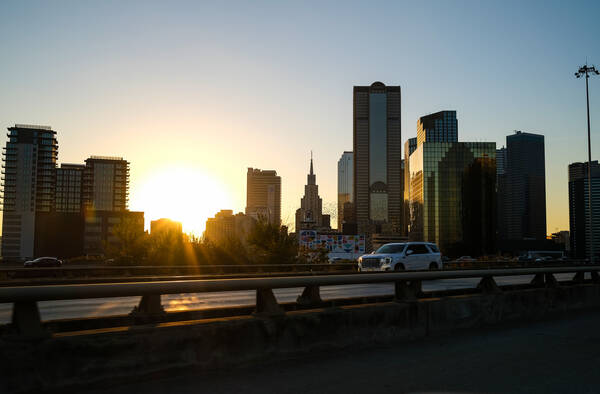 Dallas-Fort Worth is seeing its Black population surpass 1 million people for the first time. (Joshua Lott/The Washington Post) The percentage of Black Americans who live in the South has been increasing since 1990, with the region's large urban areas seeing the biggest gains, according to census data. Meanwhile, the Black population shrank in a number of Northern and Western cities. By Emmanuel Felton, John D. Harden and Kevin Schaul ● Read more » | | | 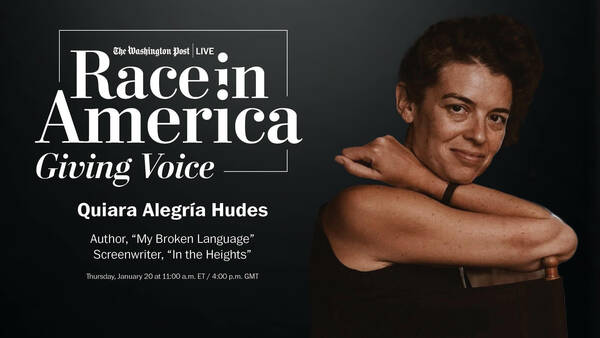 Quiara Alegría Hudes is a Pulitzer Prize-winning playwright who also wrote the book for the musical "In the Heights" and screenplay for its film adaptation. On Thursday, Jan. 20 at 11:00 a.m. Eastern time, Washington Post national correspondent Arelis R. Hernández speaks with Hudes about her memoir "My Broken Language," on growing up between cultures and how her roots have shaped her creative voice. By Washington Post Live ● Read more » | | | |


 Email
Email 

Comments
Post a Comment